DAOS: AI-Managed Farming at Internet Scale
The "secret" to achieving farm productivity isn't really a secret.
Contract farming has produced some of the world’s most reliable and productive small-farm supply chains for decades. Global agribusinesses such as Del Monte, Cargill, and Chiquita built export industries by imposing management on small farms through soil testing, prescribed inputs, and strict operational supervision, out-performing independent small farms by a factor of 2x to 4x.This model works, but only for high-value crops. Continuous human supervision, combined with laboratory testing and on-the-ground field presence, is expensive, which has made contract-farming discipline uneconomical for staple and commodity crops.
DAOS removes that constraint.
Advances in AI, remote inspection, and high-throughput soil testing now make it possible to automate and industrialize the management layer that previously required dense field teams and highly manual laboratory workflows. Physical measurements remain essential, but they can now be captured at scale and fed directly into continuous, AI-driven supervision.What was once a high-touch, high-cost system can now operate as an integrated physical and digital platform.DAOS applies proven contract-farming principles at internet scale, enabling AI-managed farming in crops and regions where it was never economically viable before.
AI-Driven Supervision
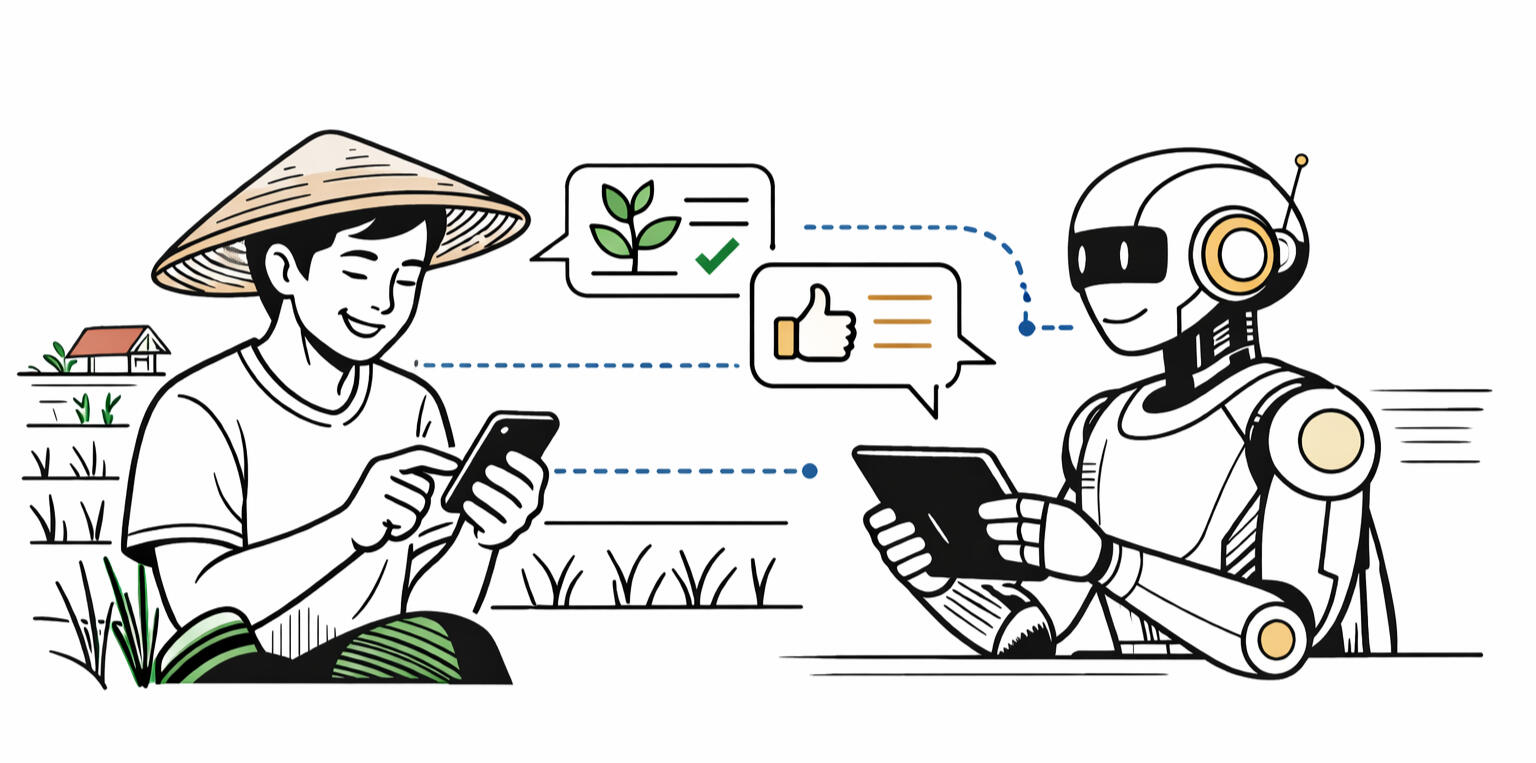
SakaChat is the world’s first working push-and-pull conversational AI system purpose built for smallholder agriculture. It engages farmers in their natural dialects including Taglish, Ilocano, and Bisaya, enabling consistent daily interaction without requiring literacy in formal agricultural terminology.SakaChat can be delivered entirely through SMS, making it universally accessible to farmers using even the most basic mobile phones. This allows farmers to interact with the system in the communication mode they are already most comfortable with, including those with limited exposure to smartphones, apps, or digital interfaces.Unlike conventional AI chatbots that passively respond with generic answers, SakaChat actively drives structured conversations. It systematically uncovers operational facts that are critical to crop outcomes, such as compliance with prescribed protocols, timing and labor constraints, early signs of pest or disease pressure, and other field level developments that are often invisible to centralized systems. In this model, the AI leads the interaction, ensuring that essential information is surfaced rather than assumed.SakaChat also answers farmer questions. Because every interaction is structured, standardized, and persistently stored, responses are not generic but grounded in the specific history and conditions of each individual farm. Over time, this creates a continuously updated operational record that improves decision quality and intervention timing.In practice, SakaChat functions as a scalable AI agronomist supervisor. It engages farmers daily, maintains long term continuity, and retains full historical context across seasons, delivering a level of consistency, coverage, and memory that is economically impossible to achieve with human field staff.
AI-Driven Compliance Audit
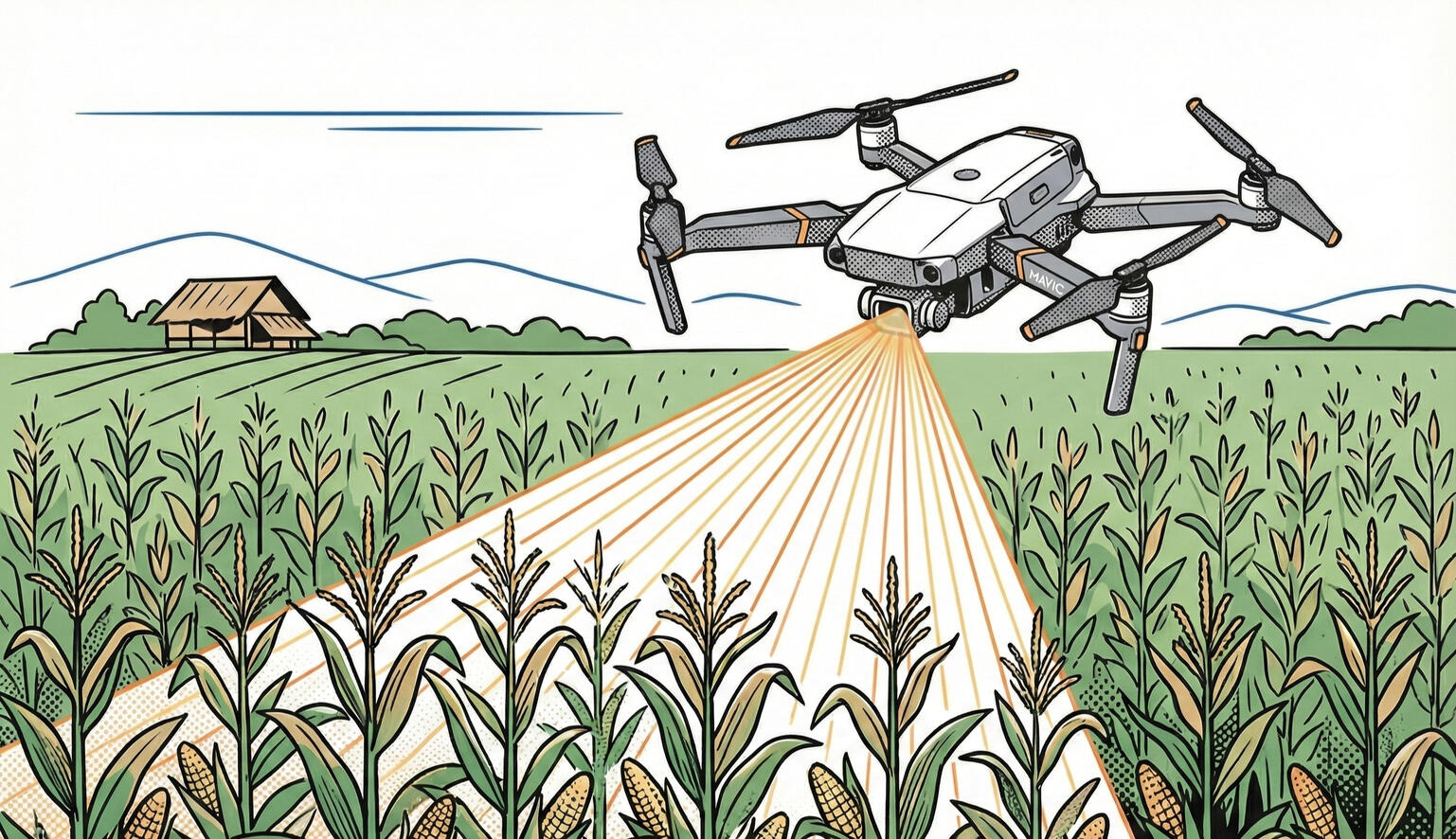
Standard crop protocols are ineffective without continuous compliance monitoring. For this reason, contract farming has historically relied on frequent farm visits by trained agronomists to inspect crop conditions and verify execution in the field. While effective, this approach is inherently slow, labor intensive, and expensive, and it does not scale beyond high value crops.Modern drone technology fundamentally changes this equation. Much of what agronomists assess visually can now be monitored remotely and at scale. A single drone operator can survey hundreds of hectares in under an hour, often through fully automated flight paths, eliminating the need for constant boots on the ground.Equipped with multispectral sensors, drones can detect early signs of crop stress, nutrient deficiency, and pest or disease pressure. High resolution photogrammetry combined with ground control points enables centimeter level measurement of crop growth and field uniformity. Terrain models can reveal drainage issues, runoff patterns, and fertilizer loss. Time series analysis across repeated flights can even surface anomalies that may indicate crop diversion or non compliance.In effect, today’s drone technologies deliver a level of coverage, consistency, and temporal insight that was economically and operationally impossible in the past, even for well funded contract farming programs employing highly experienced field inspectors.
High Through-Put Soil Analysis
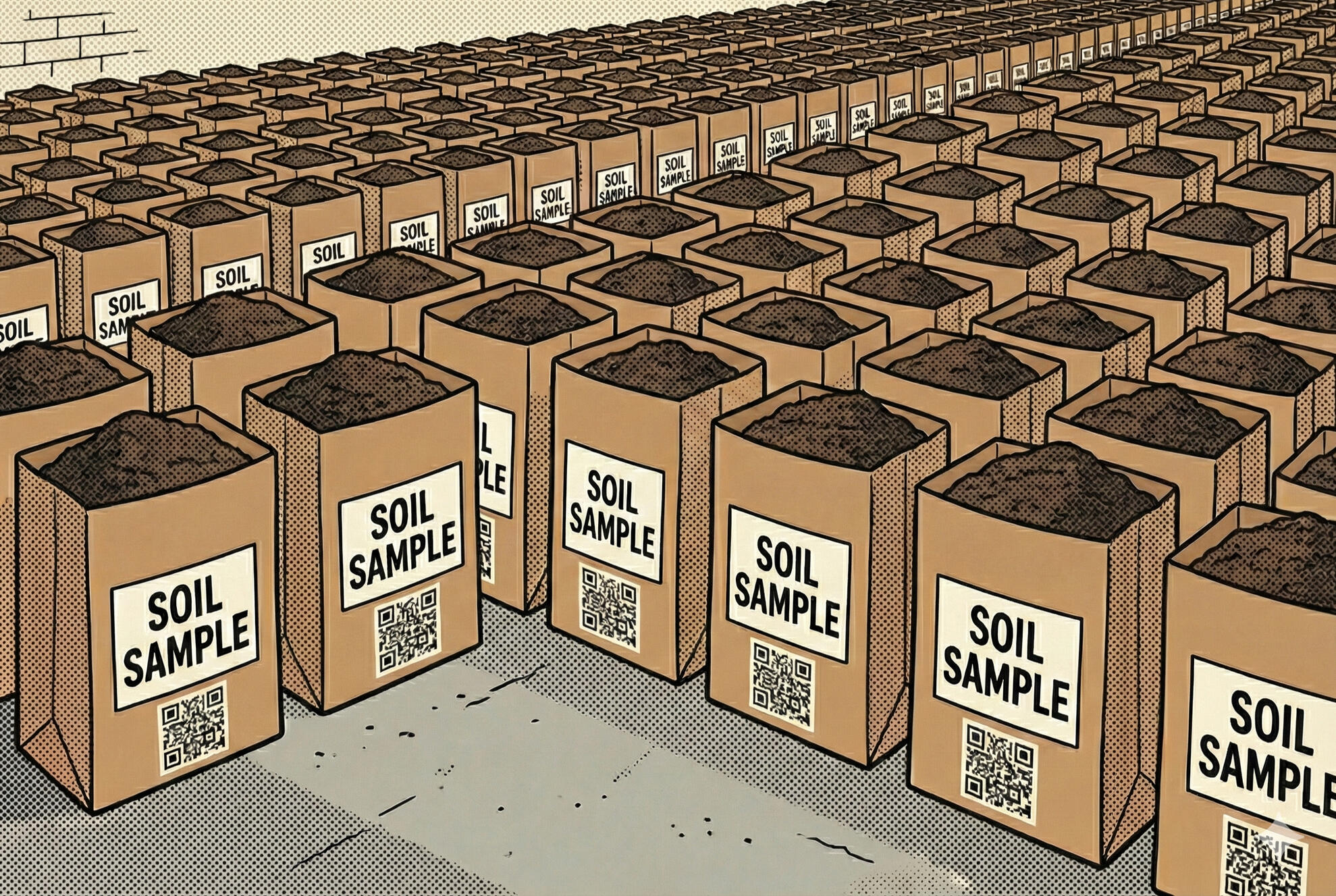
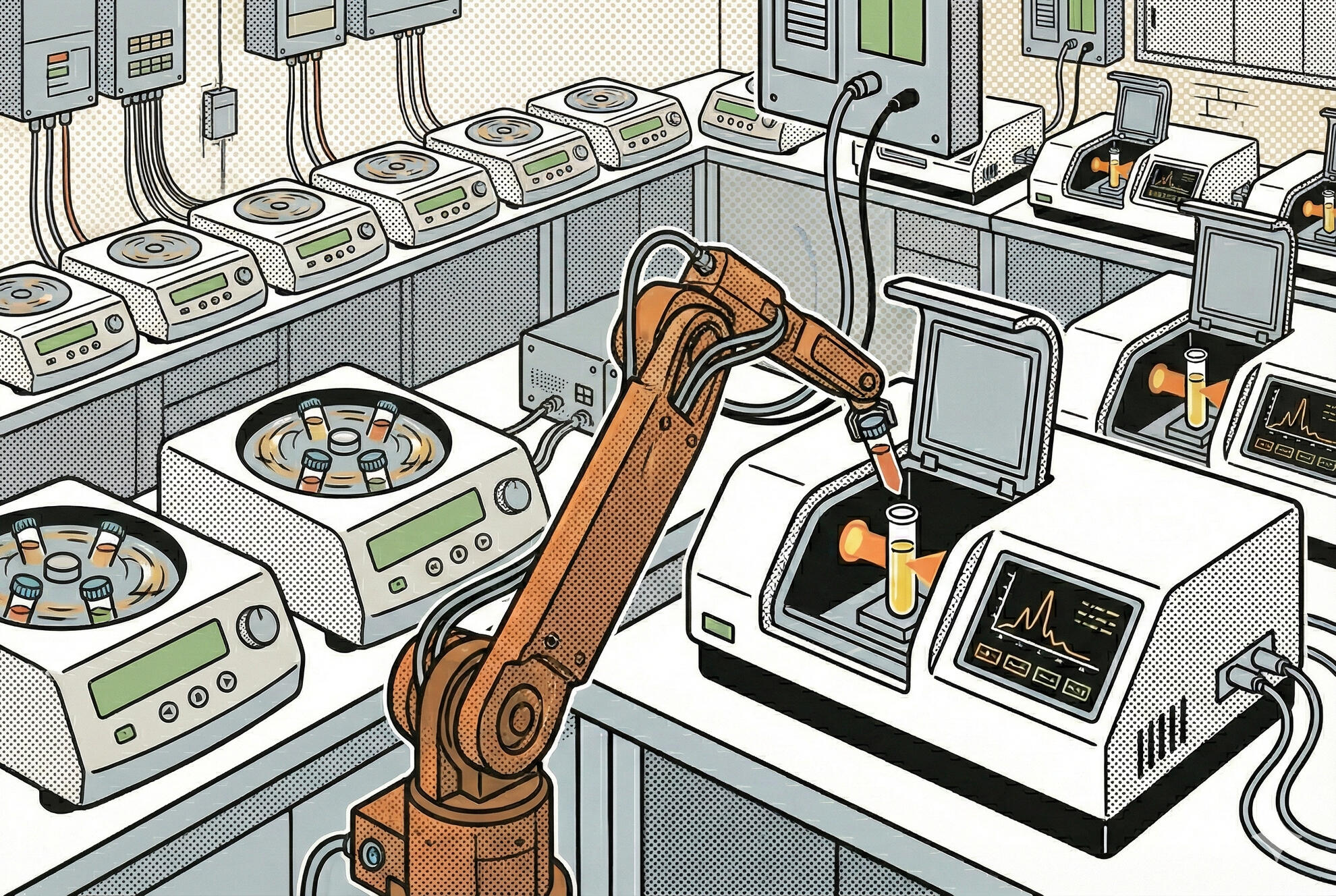
Soil health is and will always remain the foundation of productive and sustainable farming. While many in situ electrical and optical sensors have emerged in recent years, wet chemistry soil analysis continues to be the gold standard for determining precise soil treatments that maximize yield while protecting long term sustainability. This is why the world’s largest agribusinesses continue to operate their own soil testing laboratories.Although the core science of wet chemistry has been stable for decades, the surrounding workflow has not. Historically, steps such as soil drying alone could introduce delays of twenty four hours or more. Recent advances, including vacuum drying technologies, have significantly reduced these bottlenecks.By adapting proven innovations from medical laboratory technology, which faces similar demands for accuracy, throughput, and reliability, soil testing can be transformed into a high speed, industrial process. This enables soil chemistry to operate at a scale and cadence that complements AI driven monitoring and supervision, turning precise soil insight into a continuous input for farm management rather than an occasional diagnostic.
Self-Improving Data Flywheel
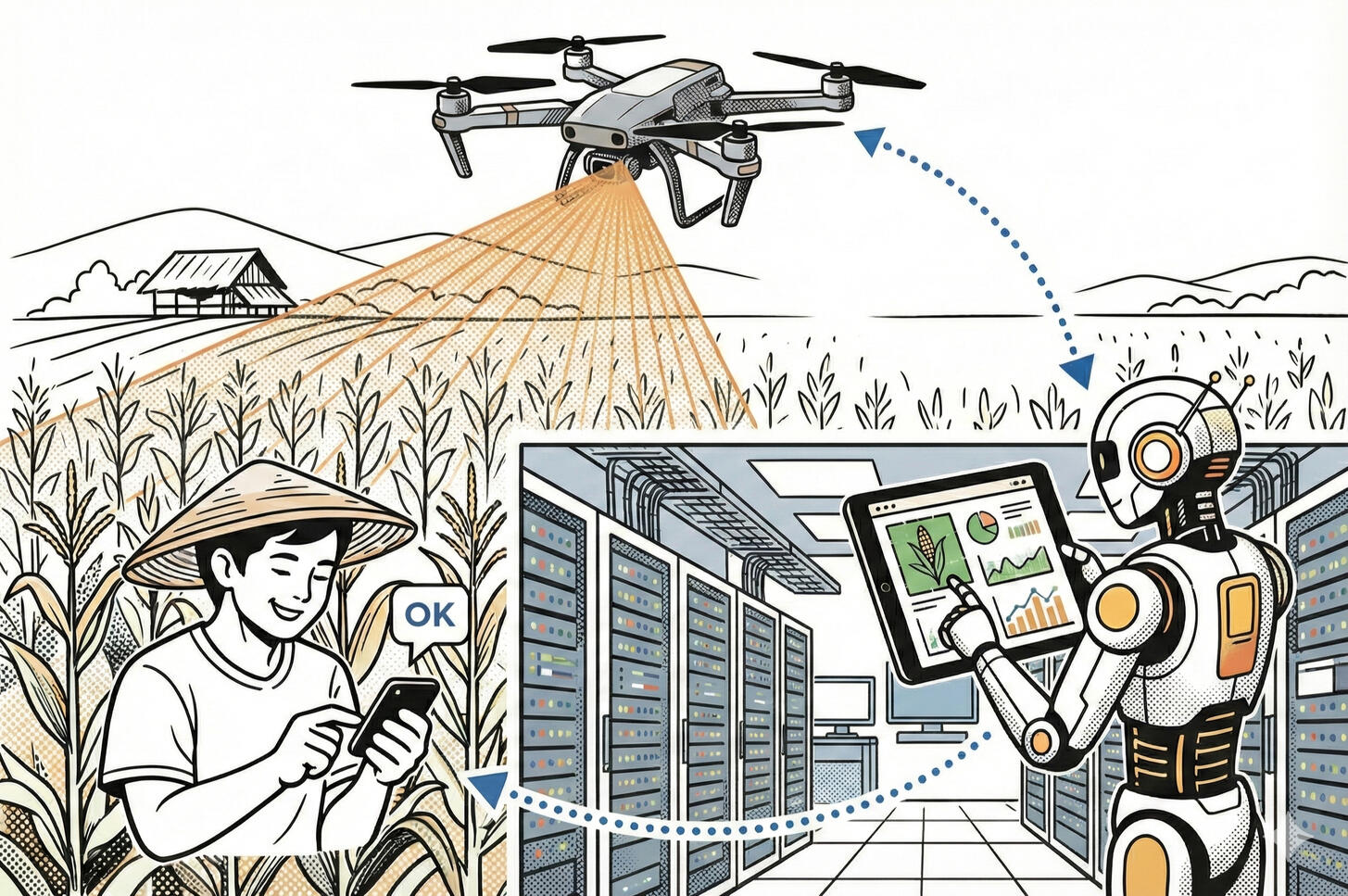
At the core of DAOS is a data flywheel designed to compound insight and execution over time. Each engagement begins with a structured project plan tailored to a specific crop and location. From there, SakaChat, an AI driven supervisor agent, maintains continuous communication with farmers, gathering real time updates from the field while issuing clear, executable instructions. This creates a living feedback loop where plans are constantly refined based on what is actually happening on the farm, not on delayed reports or assumptions.Drone inspections add an additional layer of objective ground truth, enabling detailed monitoring of crop conditions with minimal labor input. While general foundational image models provide a useful baseline, the true advantage emerges from the integration of heterogeneous data sources. Laboratory soil tests, drone derived intelligence, and structured farmer conversations together form a rich and proprietary data trove. Guided by a small number of experienced human experts, this data reveals patterns and operational insights that allow protocols, recommendations, and supervision logic to continuously improve.While fully automated food production may be a long-term aspiration, the most effective approach today is man-machine teamwork. DAOS places the cognitive burden on AI systems, from planning to monitoring to decision making, while farmers focus on physical execution. This division of labor enables immediate productivity gains while steadily training the system toward higher levels of autonomy, reinforcing a flywheel where better data leads to better decisions, better outcomes, and even better data.